
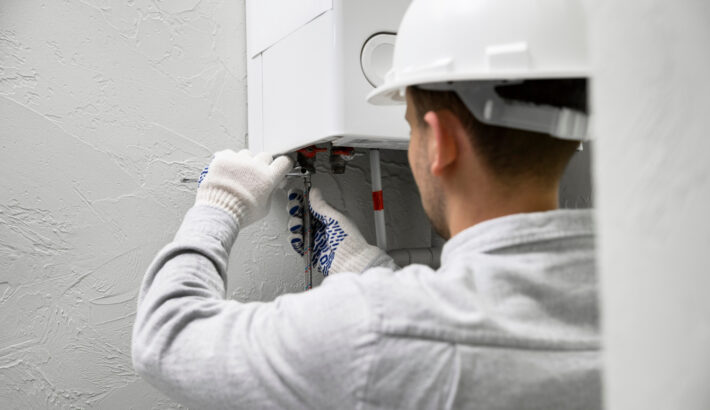
Tankless water heaters are an attractive solution for modern homes, offering energy efficiency, on-demand hot water, and a smaller footprint than traditional storage tanks. Yet, many homeowners make errors during selection that can lead to costly issues, poor performance, or frequent repairs. Choosing a unit without assessing your home’s needs, misunderstanding energy requirements, or ignoring installation details can all result in frustration and wasted investment. Even small oversights, like neglecting flow rates or maintenance expectations, can affect the system’s effectiveness. Understanding the top mistakes can help homeowners make informed decisions, avoid common pitfalls, and enjoy a reliable, long-lasting hot water system that meets their daily needs.
Misjudging Flow Rate Requirements
A major mistake is underestimating the flow rate your household requires. Tankless systems are rated by gallons per minute (GPM), and choosing a unit with insufficient capacity can lead to lukewarm water when multiple fixtures run simultaneously. Calculating peak usage—including showers, dishwashers, and washing machines—ensures the system can meet demand. Installing a model that is too small may require adding a second unit or upgrading later, increasing costs unnecessarily. Taking time to assess your home’s actual water usage avoids disappointments and guarantees that the system delivers consistent hot water for everyday activities.
Ignoring Energy Source and Efficiency
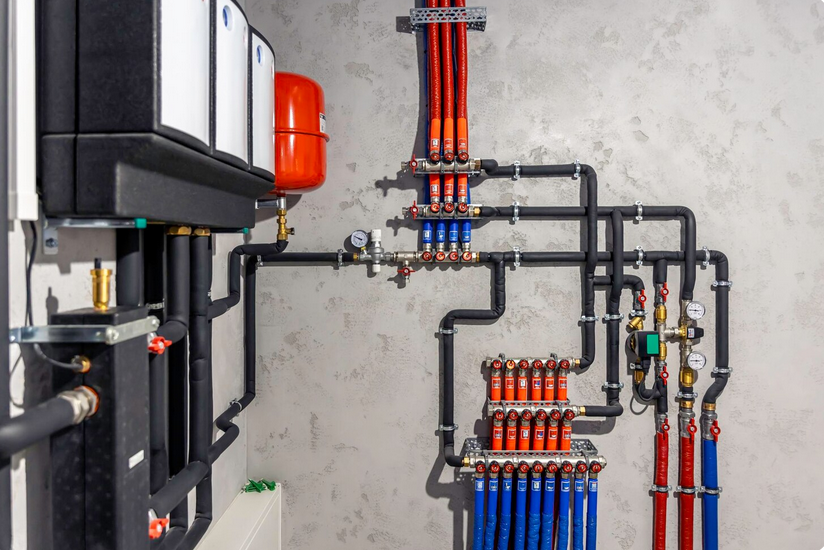
Another frequent error is overlooking the type of energy the system uses—gas or electric—and its efficiency rating. Electric models are generally easier to install and maintain but may struggle in larger households. Gas units often provide higher output but require proper venting and compliance with safety codes. Evaluating efficiency ratings, such as EF or UEF, helps determine long-term savings and environmental impact. Homeowners who focus only on upfront cost risk higher energy bills or reduced performance. Choosing the right energy source and understanding efficiency ratings ensures the water heater aligns with both your lifestyle and budget.
Overlooking Installation Requirements
Tankless water heaters often have specific installation needs that are easy to ignore. Proper venting, adequate water pressure, and correct gas or electrical connections are critical for safe and efficient operation. Many homes require retrofitting or upgrades to support these units, which can add to installation costs. Failing to consider these factors may lead to reduced performance or even code violations. Consulting a professional installer and reviewing manufacturer guidelines before purchasing prevents unexpected obstacles. Paying attention to installation details is essential for a smooth setup and optimal system performance.
Selecting Based on Price Alone
Many buyers prioritize the lowest price over suitability, which can backfire. Lower-cost models may lack durability, offer lower flow rates, or require frequent maintenance. Expensive units, on the other hand, may have features unnecessary for your household, resulting in overspending. Evaluating both performance and value, along with warranty coverage, can help determine a system’s true worth. Making a decision solely on cost can lead to frustration, hidden expenses, and reduced satisfaction with the unit over time. Smart selection balances price with practical performance to meet household needs effectively.
Neglecting Maintenance Considerations
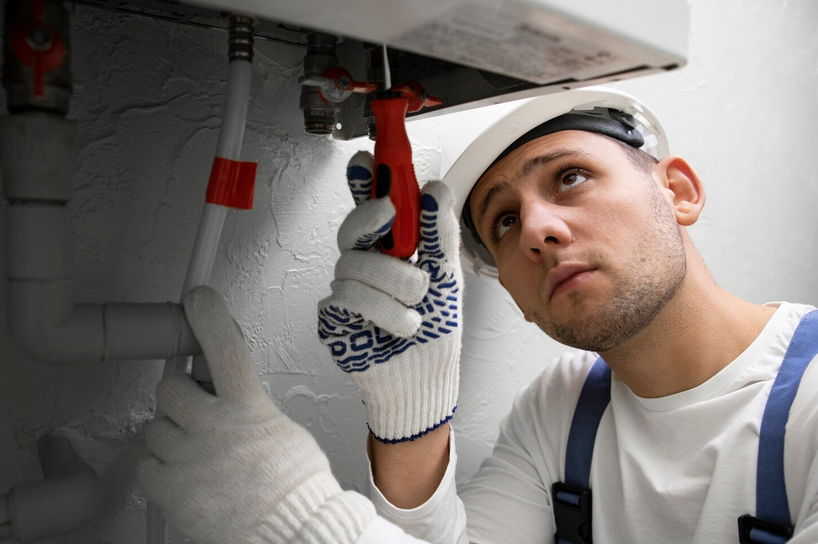
Tankless water heaters need regular maintenance to function optimally. Mineral buildup, water hardness, and sediment can affect performance and shorten the system’s lifespan. Regular descaling, cleaning, and inspections prevent inefficiency and potential damage. Homeowners who ignore maintenance requirements may face costly repairs or void warranties. Understanding the care needed before installation helps prepare for long-term upkeep. Establishing a maintenance routine protects your investment and ensures the unit consistently delivers hot water for years.
Choosing the right tankless water heater requires careful consideration of flow rates, energy source, installation requirements, cost, and maintenance needs. Avoiding these common mistakes allows homeowners to enjoy reliable, efficient, and convenient hot water while minimizing frustration and unexpected expenses. Taking the time to evaluate household needs, system specifications, and long-term care ensures that the unit performs effectively and lasts for many years. Thoughtful selection and proactive maintenance turn a tankless water heater from a potential headache into a practical, efficient solution that enhances daily living.…




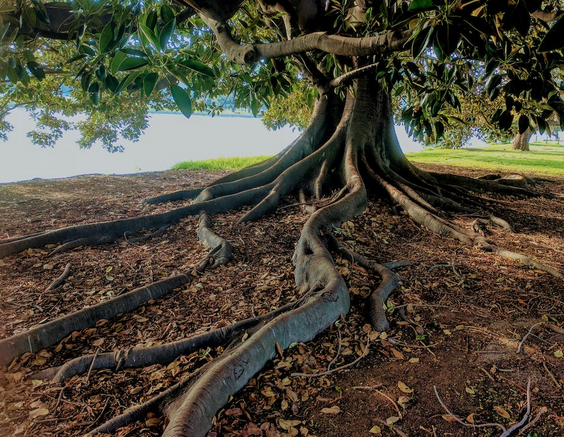

 Trees are living organisms and need to be properly maintained and taken care of. Without proper tree services, invasive roots can grow unchecked and cause damage to any pipes or utilities running under your property. If left untended, these roots can clog, crack or even break water lines as well as sewer lines. This can lead to serious damage and expensive repairs. You simply don’t want to go down this path.
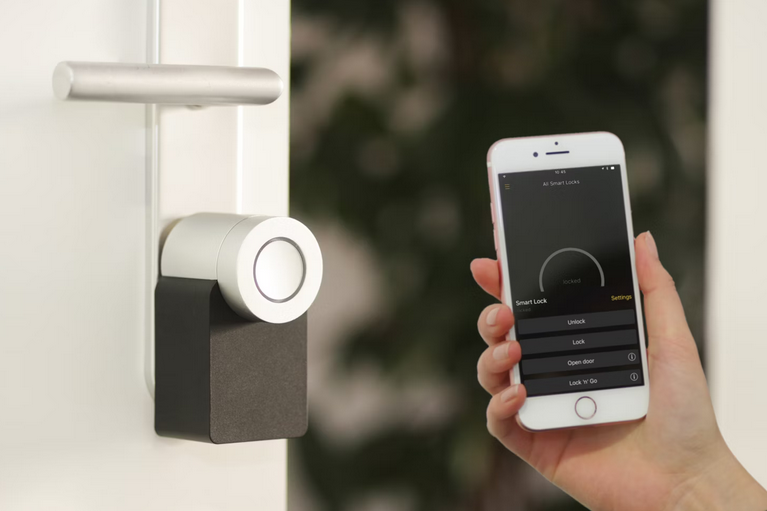
 If you don’t already have a home security system, now is the time to set one up. A home security system will help protect your new home from burglars and criminals. It will also give you peace of mind knowing that your home is safe and secure. If you already have a home security system, now is an excellent time to upgrade it. Consider adding new features, such as motion detectors or CCTV cameras. You should also add more sensors to cover all areas of your home. By upgrading your home security system, you can give yourself and your family the peace of mind that comes with knowing your home is safe and secure.
 Now let’s talk about the safety measurement around your new home. If you have young children, it is important to childproof your home. Childproofing your home will help keep your children safe from accidents and injuries. It will also help prevent them from damaging your belongings. To childproof your home, start by assessing all potential hazards. Identify any areas that could be dangerous for children, such as stairs, kitchens, or bathrooms. Once you have identified all potential hazards, please take steps to childproof them. For example, you may need to install safety gates at the top and bottom of the stairs. You may also need to put locks on cabinets and doors.