
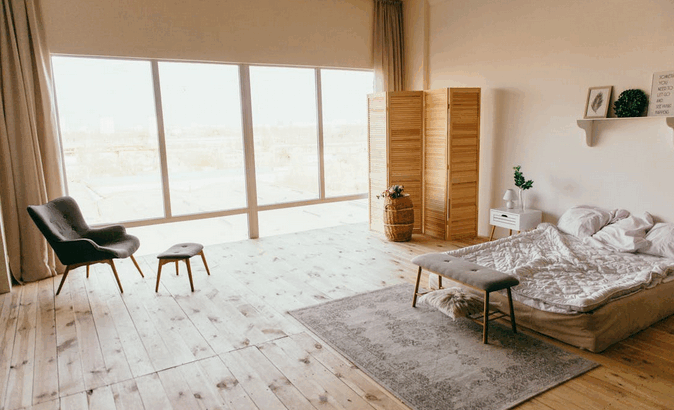
In a world that’s constantly pushing us to accumulate more, minimalist living offers a refreshing alternative. It’s not about deprivation or stark, empty rooms—it’s about intentionally choosing to surround yourself only with things that add real value to your life. Simplifying your space can lead to less stress, more focus, and greater appreciation for what you have. If you’re ready to embrace minimalism but aren’t sure where to start, this guide will help you figure out how to keep only what truly matters.
Understanding What “Truly Matters” Means to You
Minimalism isn’t a one-size-fits-all approach. What’s essential to one person might be clutter to another. Start by reflecting on your values and priorities. Maybe it’s family memories, a favorite hobby, or tools that support your career. Defining what truly matters helps you make confident decisions about what to keep and what to let go, so your space reflects your life’s unique story.
The Power of Letting Go
One of the biggest hurdles in minimalist living is learning to let go—whether it’s clothes you never wear, gadgets gathering dust, or sentimental items you don’t cherish. Letting go doesn’t mean erasing your past; it means freeing yourself from things that weigh you down. Try to see possessions as tools that serve a purpose, not emotional anchors. Donate, sell, or recycle items to give them new life and create room for what’s meaningful.
Declutter One Step at a Time

Minimalism can feel overwhelming if you try to do everything at once. Instead, break the process into manageable chunks. Focus on one drawer, one closet, or one category of items at a time. This steady approach keeps the process from feeling daunting and allows you to see progress quickly, which can be motivating. Plus, it helps you develop better habits for maintaining a clutter-free lifestyle.
Create Systems That Support Simplicity
Keeping your space clutter-free requires a system that works for your daily life. Designate specific places for your belongings, use storage solutions that fit your needs, and regularly check in on what’s accumulating. When everything has a home and you know what belongs where, maintaining minimalism becomes easier and less time-consuming.
Mindful Consumption for a Minimalist Lifestyle
Minimalism isn’t just about what you own—it’s also about how you acquire things moving forward. Practice mindful consumption by asking yourself if a purchase adds real value or just fills a temporary want. Waiting before buying, researching alternatives, and choosing experiences over things can help you stick to your minimalist goals and live with more intention.
Quality Over Quantity
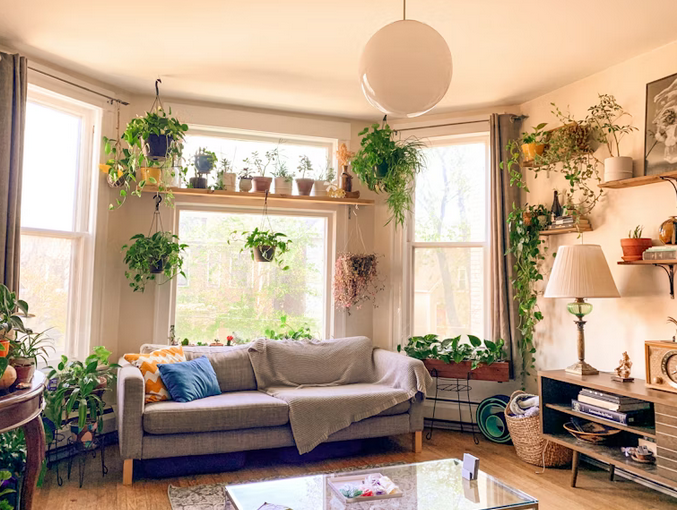
Minimalism encourages investing in fewer but better-quality items. Instead of buying many things that don’t last, prioritize durability and timeless design. Whether it’s clothing, furniture, or kitchen tools, high-quality items that serve multiple purposes can reduce waste and keep your home feeling intentional. This mindset not only simplifies your space but can save money in the long run.
Embracing Minimalism as a Journey, Not a Destination
Remember, minimalism is a lifestyle, not a one-time project. Your needs and priorities may change over time, and that’s okay. Embrace the journey, and allow yourself grace when things feel cluttered or overwhelming. The goal is progress, not perfection—each small step toward keeping what truly matters makes a big difference in your overall well-being.
Minimalist living is about creating space—physically and mentally—for what enriches your life. By understanding your values, letting go of excess, and adopting mindful habits, you can build a home and lifestyle centered on simplicity and meaning. It’s not about having less for the sake of it, but about making room for more of what you love. So start small, stay patient, and enjoy the freedom that comes with keeping only what truly matters.…